You Won’t Believe What I Found in Madurai’s Hidden Wild Corners
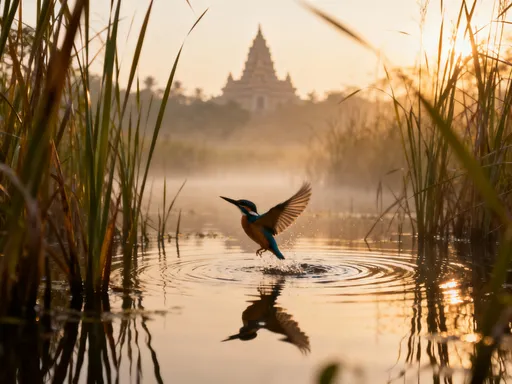
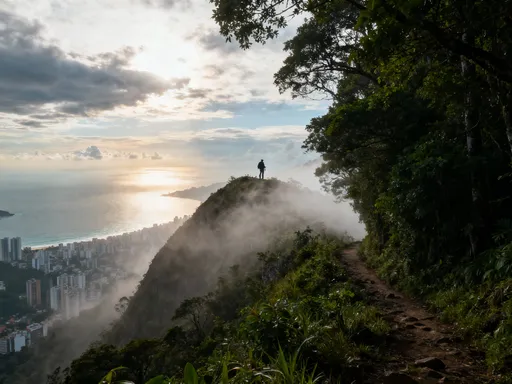
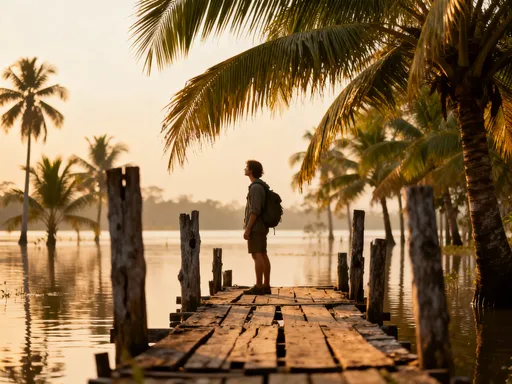
When I first arrived in Madurai, I expected temples and crowds—but not wild elephants at dawn or kingfishers diving through misty wetlands. This ancient city holds more than history; it guards protected natural sanctuaries few travelers ever see. Through my lens, I discovered a side of South India most miss. If you're chasing authentic moments where nature meets culture, this journey will change how you see Madurai forever. What I found wasn’t just scenery—it was a quiet revelation: that sacredness lives not only in stone carvings and chanting priests but also in the rustle of dry leaves under a sloth bear’s paw, in the flash of a kingfisher’s wing over a still pond, in the hush before sunrise when the forest breathes and the world feels untouched. This is not the Madurai most guidebooks describe. This is its wild soul.
The Unexpected Wild Side of a Sacred City
Madurai, one of India’s oldest continuously inhabited cities, is revered for the Meenakshi Amman Temple, a masterpiece of Dravidian architecture that draws millions each year. Its towering gopurams, adorned with thousands of colorful deities, dominate both skyline and imagination. Yet beyond the temple’s golden glow lies a quieter, equally sacred dimension—Madurai’s hidden natural sanctuaries. These are not the stuff of tourist brochures, but they are vital to the region’s ecological and cultural balance. Within a 60-kilometer radius of the city center, a network of protected forests, seasonal wetlands, and scrublands thrives, forming part of the eastern edge of the Western Ghats, a UNESCO World Heritage Site and one of the world’s eight ‘hottest’ biodiversity hotspots.
These areas—such as the Vaigai River corridor, the foothills of the Megamalai range, and community-protected ponds like Vadugam—are not formally designated national parks, but they fall under the jurisdiction of the Tamil Nadu Forest Department. They are legally protected, monitored, and managed to preserve native flora and fauna. This includes species like the Indian spotted chevrotain, the grey junglefowl, and even occasional leopard sightings in the outer forest zones. What makes these spaces remarkable is their proximity to urban life. Farmers tend their fields beside dry deciduous forests where peacocks call at dusk, and schoolchildren spot painted storks on their way to class. This coexistence is not accidental—it reflects a long-standing cultural respect for nature embedded in Tamil traditions, where rivers, groves, and birds are often linked to local deities and rituals.
For travelers, especially those with a camera, these spaces offer unparalleled opportunities. Imagine photographing a morning ritual at the temple tank, then driving 30 minutes to capture a sambar deer emerging from mist-laden teak woods. The contrast is striking—centuries-old stone sculptures juxtaposed with the untamed vibrancy of the wild. These experiences are not staged or commercialized. They unfold quietly, authentically. But they require awareness. Visitors must understand that these are not amusement parks. They are fragile ecosystems where every footprint matters. Respecting boundaries, staying on marked paths, and keeping noise to a minimum are not just courtesies—they are essential to preserving what makes these places so rare.
Indira Gandhi Wildlife Sanctuary & National Park: A Photographer’s Dream
About 100 kilometers northwest of Madurai lies one of South India’s most ecologically rich reserves: the Indira Gandhi Wildlife Sanctuary and National Park. Nestled within the Anamalai Hills and now part of the larger Srivilliputhur-Megamalai Tiger Reserve, this sanctuary spans over 95 square kilometers of dense tropical evergreen and moist deciduous forests. It is a haven for wildlife photographers, not because it guarantees sightings, but because it offers the kind of raw, unfiltered natural beauty that defines the Western Ghats. The sanctuary is home to over 25 species of mammals, including the elusive tiger, the endangered lion-tailed macaque, and herds of Asian elephants that migrate through its valleys during the dry season.
Access to the sanctuary is regulated to minimize human impact. Day visits are permitted through authorized forest department entry points, such as Top Slip, the most popular gateway for photographers and nature enthusiasts. Prior permission is required, which can be obtained online or through local forest offices in Pollachi or Udumalpet. Permits are typically issued for morning or evening slots, aligning with peak animal activity. I recommend the morning safari—starting before sunrise—when the forest is draped in silver mist and the light is soft, diffused, and golden. This is when the forest feels most alive: birds call from the canopy, deer move cautiously through clearings, and the air carries the scent of damp earth and wild jasmine.
Photographically, the sanctuary rewards patience and preparation. The layered terrain—ranging from riverine zones to shola forests and grassy meadows—creates natural depth in images. I used a combination of a 24-70mm lens for wide environmental shots and a 100-400mm zoom for distant wildlife. In low-light conditions, a fast aperture (f/2.8 or lower) and image stabilization are crucial. I kept my ISO between 800 and 1600 to maintain clarity while allowing for shutter speeds fast enough to freeze motion. Most importantly, I moved slowly, spoke in whispers, and followed the lead of our trained forest guide, who knew the animal trails and waterholes like the back of his hand.
Responsible photography here means more than technical skill—it means ethical awareness. Flash is strictly prohibited, as it can disorient animals. Drones are banned entirely within the sanctuary. Getting too close to wildlife, even for a better shot, is both dangerous and disrespectful. I learned to frame animals in their habitat, showing their relationship with the environment rather than isolating them. A sambar deer standing at the edge of a stream, reflected in the water, tells a richer story than a tight close-up. These images don’t just document—they educate, inspire, and advocate for conservation.
Vadugam Pond & the Art of Bird Photography
Just 25 kilometers northeast of Madurai’s city center lies a hidden gem: Vadugam Pond. Unlike the famous Keoladeo National Park in the north, Vadugam is not a government-run bird sanctuary. It is a community-protected wetland, sustained by local farmers and birdwatching groups who recognize its value as a stopover for migratory birds. During the winter months, from November to February, the pond transforms into a vibrant avian theater. Thousands of birds—both resident and migratory—converge here, drawn by the shallow waters and abundant aquatic plants.
Among the most striking species are the painted stork, with its pink-tinged wings and curved bill; the black-winged stilt, standing on impossibly long legs; and the Indian pond heron, which blends into reeds until it strikes with lightning speed. At dawn, when the sun rises behind the eastern trees, the pond becomes a mirror. Water lilies catch the light, and every bird movement sends ripples across the surface. This is golden hour at its finest—soft, warm, and full of reflection. I used a polarizing filter to reduce glare and enhance color contrast, especially in the feathers of kingfishers and egrets.
What makes Vadugam exceptional is its accessibility and tranquility. There is no entrance fee, no ticket counter, no crowds. You can arrive quietly, set up your tripod, and spend hours in stillness. But this freedom comes with responsibility. I kept a respectful distance using a 600mm telephoto lens, avoiding any disturbance to nesting areas. I avoided flash, not only because it’s harmful to birds’ eyes but because it breaks the natural mood. I also refrained from calling or mimicking bird sounds to lure them—an unethical practice that stresses wildlife.
Local residents often watch over the pond, and I made a point to greet them, explain my purpose, and thank them for their stewardship. Their quiet pride in the pond’s revival—from a neglected water body to a thriving habitat—was moving. It reminded me that conservation doesn’t always require grand policies; sometimes, it begins with a few people saying, ‘This place matters.’ As a photographer, I aimed to honor that spirit by capturing not just birds, but the harmony between people and nature. One of my most cherished images is of a farmer walking home at sunset, his silhouette framed by a flock of flamingos rising from the water—a moment of peaceful coexistence.
Megamalai: Mist, Tea, and Rare Encounters
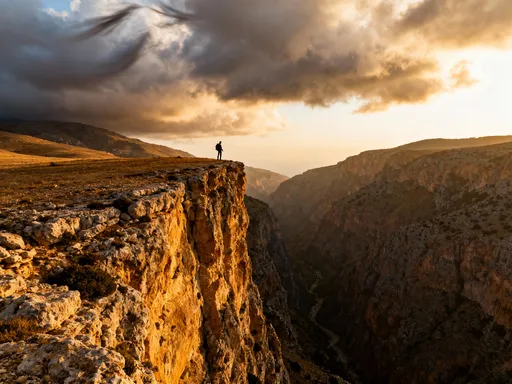
Rising to over 1,600 meters, the Megamalai range—meaning ‘High Wavy Mountains’—forms a vital forest corridor between the Western and Eastern Ghats. Located about 130 kilometers from Madurai, this mist-shrouded landscape is part of a protected watershed that feeds the Vaigai River. It is also one of the last strongholds of the Nilgiri tahr, a rare mountain goat found only in the southern Western Ghats. Seeing one in the wild is a rare privilege—fewer than 3,000 remain in the wild, and they are most active at dawn, when the fog lifts just enough to reveal their silhouettes on rocky cliffs.
Reaching Megamalai requires careful planning. The road from Theni is winding and narrow, passing through cardamom estates, eucalyptus plantations, and patches of shola grassland. Tourism is regulated to protect the fragile ecosystem, and overnight stays require permits issued by the forest department. Accommodation is limited to eco-lodges and government-run forest rest houses, which emphasize low-impact living—solar power, rainwater harvesting, and minimal waste generation. I stayed at a small eco-lodge run by a retired forest officer, whose stories of wildlife tracking and conservation challenges added depth to my experience.
Photographically, Megamalai is a dream for atmospheric compositions. The frequent fog creates a sense of mystery, turning tea plantations into ghostly rows of green and reducing landscapes to shades of gray and silver. I embraced black-and-white photography on such days, using high contrast to highlight texture and form. On clearer mornings, the views stretch for miles—rolling hills covered in tea bushes, dotted with eucalyptus trees, and framed by distant peaks. I used a tripod to ensure sharpness in low light and experimented with long exposures to capture the movement of clouds drifting through the valleys.
But the true magic of Megamalai lies in its silence. Without the hum of traffic or the buzz of crowds, you become aware of subtle sounds—the call of a Malabar whistling thrush, the rustle of a mongoose in the underbrush, the distant bellow of a gaur. I learned to move slowly, to pause often, to let the landscape reveal itself. One morning, after hours of waiting, I spotted a tahr pair on a distant cliff. I did not rush. I watched. I waited for the light. And when the sun broke through the clouds, I took a single shot—one that now hangs in my living room, a reminder of patience and presence.
Balancing Access and Protection: The Rules That Matter
Photographing in protected areas is a privilege, not a right. Across Tamil Nadu’s forest reserves, strict regulations are in place to safeguard ecosystems from overuse and degradation. These rules are not arbitrary—they are based on scientific research and decades of conservation experience. For example, drone usage is prohibited in all wildlife sanctuaries and national parks. This is not just about privacy; drones can cause severe stress to birds and mammals, triggering flight responses that deplete energy and disrupt breeding. Similarly, night photography with artificial light is banned in most zones to avoid disturbing nocturnal species.
Permits are required for entry into core areas, and they are typically limited in number to control footfall. During nesting seasons—especially for birds like the painted stork or the great hornbill—certain zones may be closed entirely. These restrictions are not inconveniences; they are lifelines for vulnerable species. I once arrived at a birding site only to find it closed for three months due to active nesting. Though disappointed, I understood. The forest department’s priority is life, not tourism.
Rangers play a crucial role in enforcing these rules, but they are also valuable allies for photographers. If approached with respect and humility, many are willing to share knowledge—best trails, recent sightings, safe distances. I always carry a copy of my permit, follow marked paths, and avoid littering. I pack out everything I bring in, including food wrappers and batteries. I never venture off-trail, not even for a ‘perfect shot.’ The truth is, no image is worth damaging a habitat. Ethical photography means leaving no trace—physically and emotionally.
Another critical rule: never bait animals. Some photographers use food or calls to lure wildlife into view. This is illegal and dangerous. It alters natural behavior, makes animals dependent on humans, and can lead to conflict. I’ve seen images of leopards ‘posing’ near roads—often the result of baiting. These scenes may look dramatic, but they hide a darker truth. True wildlife photography celebrates animals in their natural state, not as performers. When we respect the rules, we protect not only nature but also the integrity of our art.
Gear, Light, and Local Wisdom: Practical Tips for Success
Having the right gear enhances your experience, but it doesn’t replace patience or knowledge. For my Madurai journey, I carried a full-frame DSLR with a range of lenses: a 16-35mm for landscapes, a 24-70mm for general use, and a 100-400mm zoom for wildlife. A 600mm prime lens would have been ideal for birds, but its weight made it impractical for long hikes. I used a lightweight tripod with a ball head for stability, especially during dawn and dusk shoots. A rain cover for my camera was essential—monsoon mists and sudden showers are common in the hills.
Light is the photographer’s most powerful tool. In Madurai’s lowlands, the best light occurs in the first hour after sunrise and the last hour before sunset. Midday light is harsh and flat, so I used that time to review images, rest, or explore shaded forest paths. In Megamalai, fog diffuses light beautifully, creating soft, even illumination. I adjusted my white balance to preserve the cool tones of misty mornings. For bird photography at Vadugam, I relied on natural backlighting during golden hour, which highlighted feather details and created glowing halos around subjects.
But no amount of gear can replace local knowledge. I found the most reliable guides through the forest department office in Theni and through homestays near Top Slip. These guides are often former trackers or forest staff with intimate knowledge of animal behavior and seasonal patterns. One guide, a man named Murugan, led me to a shola patch where Malabar trogons had been spotted. He didn’t guarantee a sighting—he simply knew the rhythm of the forest. We waited in silence. And then, a flash of crimson and green. That image, captured without force or intrusion, remains one of my most treasured.
Timing is everything. I recommend visiting the Indira Gandhi Sanctuary between February and May, when water sources are scarce and animals gather near rivers. For bird photography at Vadugam, November to February is ideal. Megamalai is best in September to December, after the monsoon, when the air is clear and the grasslands are lush. Always check with local authorities for current conditions and permit availability.
Why This Matters: Conservation Through the Lens
Photography is more than a hobby—it is a form of storytelling with the power to inspire change. When we share images of Madurai’s wild corners, we invite others to see what is often overlooked. But with that power comes responsibility. Posting geotags that reveal exact locations of rare species can lead to overcrowding, disturbance, and even poaching. I now tag my images with general regions—‘near Madurai,’ ‘Western Ghats’—rather than precise coordinates. I also credit local guides and conservation groups, using my platform to support their work.
Every photograph I take is a quiet act of advocacy. It says: this place is beautiful. It says: this place is fragile. It says: it is worth protecting. When a mother in Chennai sees my image of a tahr on a cliff and shares it with her daughter, she is planting a seed of care. When a school uses my wetland photos in an environmental lesson, it becomes education. This is how conservation grows—not through mandates, but through connection.
Madurai’s wild heart beats quietly, away from the temple bells and market bustle. It lives in the rustle of leaves, the call of a distant hornbill, the stillness of a pond at dawn. As travelers and photographers, we are not owners of this beauty—we are guests. Our role is not to exploit, but to witness, to honor, and to protect. So if you go, go with reverence. Follow the rules. Listen to the land. And let your camera be not just a tool, but a voice—for the forests, the birds, the rivers, and the quiet wonder that still exists, if we choose to see it.