You Won’t Believe What I Ate in Cusco — This Is Next-Level Food Magic
Stepping into Cusco feels like entering a living storybook — ancient stone streets, crisp mountain air, and the smell of roasting corn and spices around every corner. I came for the history, but stayed for the food. From bustling markets to tiny family-run picanterías, Cusco’s cuisine is bold, warm, and deeply rooted in tradition. This isn’t just a meal — it’s a cultural handshake you taste with every bite. The city, nestled high in the Peruvian Andes and once the heart of the Inca Empire, offers more than ruins and breathtaking views. It delivers an edible journey through centuries of agricultural wisdom, communal rituals, and culinary resilience. What you eat here tells a story — of high-altitude survival, of harvest celebrations, of family tables where recipes are passed down like heirlooms. And for the curious traveler, every plate becomes a quiet revelation.
First Impressions: Landing in Cusco and the Immediate Call of Food
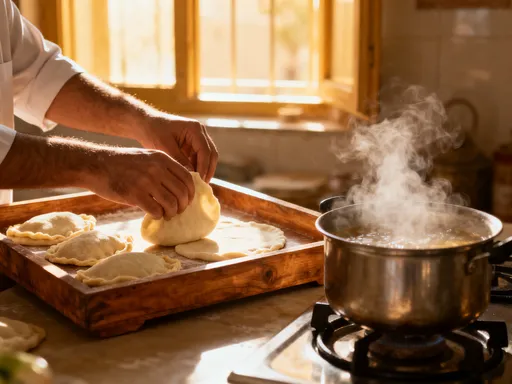
From the moment you step off the plane in Cusco, two things greet you: the thin mountain air at 11,000 feet and an unmistakable wave of warmth from street vendors offering steaming cups of coca tea. Altitude can be humbling, but the city’s food culture meets you exactly where you are — with comfort, care, and flavor. The first meal for many visitors isn’t in a restaurant, but at a roadside cart selling warm empanadas de queso, their golden crusts flaking at the touch, filled with molten Andean cheese. These handheld pockets of joy are more than snacks — they’re an introduction to Cusco’s philosophy of food as both nourishment and kindness.
As you descend into the city center, the aromas deepen. Smoky anticuchos — grilled beef hearts marinated in cumin and aji panca — sizzle on open grills. Bakers pull fresh tanta wawa — sweet bread shaped like babies — from clay ovens, especially around All Saints’ Day. The scent of toasted corn, known locally as choclo, drifts from open-air stalls, mingling with the earthy perfume of dried herbs and fresh mint. These sensory layers don’t just signal hunger — they signal welcome. Vendors smile, often speaking Quechua, and hand over food with a quiet dignity that makes you feel like a guest, not a customer.
This immediate immersion in flavor isn’t accidental. In Cusco, food is a language of hospitality. It’s how families express care, how communities gather, and how history is preserved. For travelers, this culinary warmth becomes the first real connection to the city — often more immediate than any museum or monument. While adjusting to the altitude, sipping coca tea and nibbling on a warm roll of olluco con queso, you begin to understand that in Cusco, meals are not just sustenance. They are acts of belonging.
The Heart of Flavor: Exploring San Pedro Market Like a Local
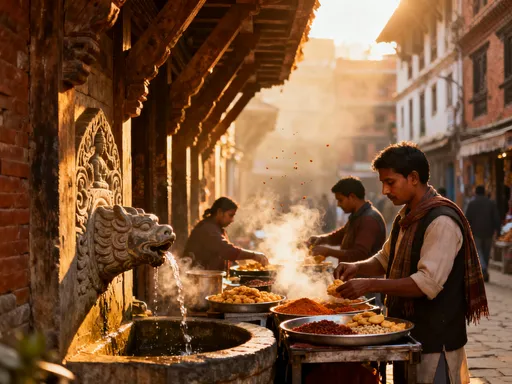
If Cusco has a beating heart, it’s San Pedro Market. Open daily from early morning until late afternoon, this vibrant hub is where locals shop, eat, and socialize. Unlike sanitized tourist markets in other cities, San Pedro is raw, real, and rich with authenticity. The entrance alone is a feast for the senses — bunches of purple corn hang from wooden beams, pyramids of yellow and red aji peppers glow under the sun, and baskets overflow with quinoa, kiwicha (Amaranth), and maca root. But the true magic happens as you wander deeper, where the air grows thick with the sizzle of griddles and the murmur of haggling in Quechua and Spanish.
One of the first stops for any visitor should be the juice counter. Here, women in colorful aprons blend fresh Andean fruits into vibrant elixirs — chirimoya (custard apple), tumbo (banana passionfruit), and lucuma, a creamy orange fruit often called “the gold of the Incas.” A glass of maracuyá (passionfruit) juice, tart and refreshing, is both hydrating and a gentle introduction to the region’s fruit diversity. These juices aren’t just drinks — they’re liquid snapshots of the Andean diet, packed with nutrients and natural energy, perfect for adjusting to the altitude.
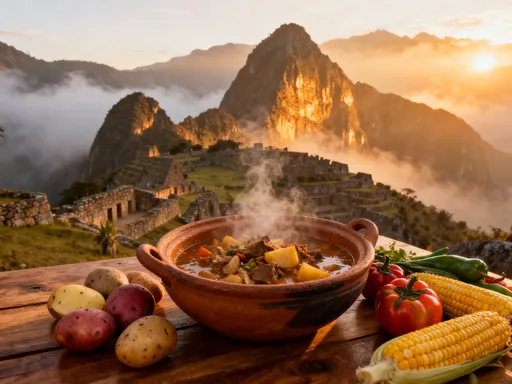
Further in, the produce section reveals the backbone of Cusco’s cuisine: native potatoes. With over 3,000 varieties grown in the region, potatoes here are not a side dish — they are the foundation. You’ll see chuño, freeze-dried potatoes that have been preserved for centuries using traditional methods, turning into spongy black or white nuggets that rehydrate beautifully in stews. Nearby, vendors sell giant kernels of mote (hominy) and fresh rocoto peppers, fiery red chilies used sparingly in sauces and stews. Watching a local grandmother select her ingredients — testing the firmness of a squash, sniffing a bunch of herbs — is a masterclass in seasonal eating and culinary intuition.
But San Pedro isn’t just about ingredients — it’s about immediate gratification. Small food stalls line the inner aisles, serving up hearty breakfasts of tamales wrapped in corn husks, scrambled eggs with ají, and plates of fried plantains with cheese. One popular spot offers caldo de gallina, a nourishing hen soup believed to ease altitude sickness. Locals sit on plastic stools, sharing tables and stories, while tourists slowly learn the rhythm of a Cusco morning. To eat here is to participate — not as an observer, but as part of the daily ritual of life in the Andes.
Cuy, Alpaca, and Corn: Breaking Down Iconic Dishes Without Fear
For many travelers, the idea of eating cuy — guinea pig — can be surprising, even unsettling. But in Cusco, cuy is not a novelty — it’s a celebration. Traditionally reserved for special occasions like weddings, birthdays, and religious festivals, this small rodent has been raised in Andean homes for thousands of years. When prepared, it’s roasted whole, often served with its head still intact, crispy skin glistening, and legs splayed like a tiny bird. The meat is dark, rich, and surprisingly tender, especially around the thighs and back. While the presentation may challenge Western sensibilities, the cultural significance is profound — cuy represents abundance, family, and gratitude for the earth’s gifts.
Another protein gaining recognition beyond the Andes is alpaca. Leaner than beef and lower in cholesterol, alpaca meat has a delicate, slightly sweet flavor. It’s often served as a steak, grilled and sliced thin, or in stews like estofado de alpaca, where it simmers with red wine, carrots, and Andean herbs. Because alpacas are native to the highlands and thrive in extreme conditions, their meat carries a story of resilience. For families in remote villages, alpaca is not just food — it’s a sustainable source of protein that requires no imported feed or intensive farming.
And then there is corn — not just any corn, but the giant-kernelled, rainbow-colored varieties that are central to Cusco’s identity. Choclo, with its large, starchy kernels, is boiled and served alongside meals, often with a dab of creamy queso fresco. Causa rellena, a layered dish made with yellow mashed potatoes and filled with chicken or tuna, gets its vibrant color from aji amarillo, but it’s often garnished with kernels of purple corn for crunch and contrast. Even desserts use corn — mazamorra morada, a thick purple pudding, is made from purple corn, cinnamon, and cloves, thickened with fruit peels and served with a scoop of vanilla ice cream. In Cusco, corn is more than a crop — it’s sacred, a symbol of life and continuity.
Understanding these ingredients requires a shift in perspective. They are not exotic for the sake of shock value — they are deeply functional, historically significant, and environmentally appropriate. Eating them is not about daring — it’s about respect. When you sit down to a plate of cuy or a bowl of alpaca stew, you’re not just tasting food. You’re tasting centuries of adaptation, of families learning to thrive in one of the world’s most challenging climates.
From Picanterías to Hidden Courtyards: Where Locals Actually Eat
Beyond the well-lit restaurants on Plaza de Armas, where menus are translated into four languages, Cusco’s true culinary soul lives in picanterías — family-run eateries often tucked behind unmarked doors or down quiet alleyways. These modest spaces open mainly at lunchtime and serve a fixed menu known as menú del día, a multi-course experience that unfolds like a symphony of flavor. You might start with a soup — perhaps a creamy caldo de quinua or a tangy solterito salad — followed by a main course of lomo saltado or ají de gallina, and finish with a simple dessert like arroz con leche or fruit with cheese.
One of the most beloved picanterías in the San Blas neighborhood operates out of a colonial courtyard, where tables are set under flowering vines and the sound of live Andean music drifts through the air. Here, meals are served with chicha, a fermented corn drink that ranges from mildly sweet to slightly tangy, depending on how long it’s been brewed. The owner, a woman in her sixties who learned to cook from her grandmother, moves between tables like a hostess at a family gathering. There’s no menu to choose from — you eat what’s made, and what’s made is always fresh, seasonal, and full of soul.
Finding these places requires a bit of local knowledge. Ask your hotel staff, strike up a conversation with a shopkeeper, or follow the lunchtime rush of office workers heading down side streets. Some picanterías don’t even have signs — you recognize them by the line of locals waiting outside or the scent of roasting meat spilling into the street. These are not tourist traps — they’re community institutions, often run by women who have been cooking the same recipes for decades. To eat in a picantera is to be welcomed into a private world of tradition and trust.
The experience goes beyond the plate. Meals are slow, meant to be savored over conversation. Strangers share tables, children run between chairs, and laughter echoes off stone walls. In these spaces, food is not a transaction — it’s a ritual. The rhythm of the meal, the warmth of the company, the pride in the cooking — all of it reinforces the idea that in Cusco, eating is an act of connection. And for the traveler lucky enough to find one of these hidden gems, the memory of that meal often outlasts any photograph.
The Sacred Valley Side Trip: Food Experiences Beyond the City
A short drive from Cusco, the Sacred Valley unfolds like a patchwork of terraced fields, rushing rivers, and traditional villages. This fertile corridor was once the breadbasket of the Inca Empire, and today, it remains a living laboratory of Andean agriculture and food culture. A day trip here offers more than stunning landscapes — it delivers immersive culinary experiences that connect you to the land and its people.
In Chinchero, a highland town known for its weaving cooperatives, many families open their homes for farm-to-table meals. Visitors walk through potato fields, learn about ancient crop rotation techniques, and then sit down to a lunch prepared in a traditional pachamanca — a stone oven buried underground. Layers of marinated meats, potatoes, sweet potatoes, and herbs are wrapped in banana leaves and slow-cooked with hot stones, infusing everything with a smoky, earthy flavor. The meal is often accompanied by a blessing to Pachamama, or Mother Earth, a Quechua tradition that underscores the deep spiritual connection between food and the land.
Further down the valley, in Ollantaytambo, corn takes center stage. This ancient town hosts an annual festival celebrating maize, where farmers display dozens of native varieties, from white and yellow to deep purple and speckled red. During the festival, you can try chicha morada (a non-fermented purple corn drink), mote de maíz (hominy stew), and tamales wrapped in corn husks. Some local guides offer cooking demonstrations, showing how to grind corn with a hand stone or make traditional corn cakes. Even outside the festival, small family-run kitchens serve hearty meals featuring fresh valley produce — think trout from nearby rivers, roasted vegetables, and soups thickened with native grains.
For a more hands-on experience, several cooperatives offer half-day cooking classes. You might visit a local market to select ingredients, then return to a home kitchen to prepare dishes like rocoto relleno or quinoa stew. These classes are not performance — they’re participation. You chop, stir, and taste alongside your hosts, learning not just recipes, but stories. Why this herb is used. When this dish is served. How a grandmother’s touch changes the flavor. These moments, simple and unscripted, are where cultural understanding truly takes root.
Modern Meets Traditional: Cusco’s Evolving Restaurant Scene
While tradition remains strong, Cusco’s culinary scene is not frozen in time. A new generation of chefs is reimagining Andean ingredients through a contemporary lens, creating dishes that honor the past while embracing innovation. These restaurants, often found in restored colonial buildings or boutique hotels, offer a refined take on local cuisine without losing its soul.
One standout is a restaurant in the San Blas district that serves trout tartare with aji amarillo gel and crispy plantain chips. The dish, elegant on the plate, highlights the freshness of Andean trout while introducing modern textures and plating techniques. Another popular spot offers quinoa risotto, cooked slowly with vegetable broth and finished with roasted mushrooms and huacatay (Andean black mint), a fragrant herb that adds a citrusy depth. These dishes don’t replace traditional meals — they expand the conversation, showing that Andean flavors can be both ancient and avant-garde.
What makes these restaurants accessible is their balance. They cater to international travelers without diluting authenticity. Menus often include background on ingredients — explaining, for example, that kiwicha is a high-protein grain used by Inca warriors — helping diners appreciate the cultural context. Wine lists feature Peruvian varietals, and many places pair meals with craft cocktails made with pisco, chicha, or maca syrup. The atmosphere is warm and inviting, with soft lighting, traditional textiles, and staff who take pride in sharing their culinary heritage.
Yet even in these modern spaces, the heart of Cusco’s food culture remains unchanged. Meals are still communal. Portions are generous. And the focus stays on quality ingredients, seasonal availability, and the care that goes into every dish. Whether you’re eating in a candlelit dining room or a village courtyard, the message is the same: food is a gift, meant to be shared with gratitude.
How to Eat Well in Cusco: Practical Tips for a Delicious Journey
To fully enjoy Cusco’s culinary treasures, a few practical considerations can make all the difference. First and foremost is altitude. At over 11,000 feet, your body needs time to adjust. Eat light for the first 24 to 48 hours — soups, boiled potatoes, and plain rice are gentle on the stomach. Avoid heavy meats, excessive dairy, or carbonated drinks, which can worsen bloating. Drink plenty of water and sip coca tea throughout the day — it’s not a cure, but many locals and travelers find it helps with mild symptoms.
When reading menus, look for terms like plato típico (typical dish) or menú del día (menu of the day), which often offer the best value and most authentic flavors. Don’t be afraid to ask your server for recommendations — most are happy to explain ingredients or suggest dishes based on your preferences. If you’re unsure about spice levels, aji can be hot, so start with small amounts and build up. And always carry a small bottle of hand sanitizer — while Cusco’s food is generally safe, hygiene standards can vary, especially at street stalls.
Timing your meals can also enhance your experience. Lunch, or almuerzo, is the main meal of the day and typically served between 12:30 and 3:00 PM. This is when picanterías are in full swing and multi-course menus are available. Dinner is lighter and earlier, often starting around 6:30 PM. If you’re planning a late dinner, it’s wise to make a reservation, especially at popular spots. And don’t skip breakfast — many hotels and hostels serve a hearty spread of fresh fruit, boiled eggs, bread, and local jams that provide the energy you need for a day of exploring.
Finally, respect the culture. When invited into a home or community meal, accept with gratitude. A simple “Gracias, se ve delicioso” (Thank you, it looks delicious) goes a long way. Avoid wasting food — in a region where resources are precious, this is deeply valued. And when in doubt, follow the locals. If they’re lining up for a certain stall or laughing over a shared plate, join them. The best meals in Cusco are rarely found in guidebooks — they’re discovered through connection, curiosity, and an open heart.
Cusco doesn’t just feed your stomach — it nourishes your understanding of a culture that honors earth, history, and community on every plate. The real journey here isn’t measured in miles, but in flavors shared, recipes learned, and meals remembered long after the trip ends. From the first sip of coca tea to the last bite of purple corn pudding, every moment at the table is an invitation — to slow down, to listen, to taste the world anew. And in a city where every stone has a story, the most unforgettable tales are often told through food.