You Won’t Believe How Kolkata Comes Alive During Festival Season
Kolkata isn’t just a city—it’s a living, breathing celebration, especially when festival season hits. I’ve never seen streets pulsate with so much energy, color, and soul. From the thunderous beats of Durga Puja to quiet moments of devotion in neighborhood pandals, the city transforms completely. If you're looking for authentic cultural immersion, this is it. Festival time in Kolkata isn’t just about rituals—it’s art, food, music, and community all exploding at once. Trust me, you’ve never experienced joy like this.
The Heartbeat of Kolkata: Why Festivals Define the City
Kolkata’s identity is inseparable from its festivals. More than mere religious observances, these celebrations are cultural anchors that shape the rhythm of daily life. The city, often celebrated for its intellectual legacy and literary heritage, reveals its emotional core during festival season. This is when art, devotion, and community converge in a vibrant tapestry that defines Bengali culture. For residents, festivals are not occasional events but essential expressions of identity, passed down through generations with deep reverence and creativity.
At the heart of this tradition is Durga Puja, the most anticipated festival in Kolkata’s calendar. Lasting five days in the autumn month of Ashwin (typically September or October), it honors the goddess Durga’s victory over the buffalo demon Mahishasura. But beyond the mythological narrative, Durga Puja symbolizes the triumph of good over evil and the return of the goddess to her maternal home—a metaphor that resonates deeply with Bengali familial values. The entire city pauses to welcome her, and in doing so, renews its collective spirit.
What makes Kolkata unique is how these festivals transcend temple walls and private homes. They spill into the streets, parks, and neighborhoods, becoming public art installations, open-air concerts, and culinary fairs. Local committees, known as *puja committees*, spend months planning elaborate themes, artistic pandals (temporary shrines), and cultural programs. This collaborative effort fosters a profound sense of unity. People from all walks of life—artists, students, homemakers, professionals—contribute time, talent, and resources. The result is a celebration that belongs to everyone.
Festivals in Kolkata are also a living classroom for cultural heritage. They preserve traditional music like *dhaak* drumming, classical dance forms such as Bharatanatyam and Odissi, and age-old crafts like idol-making and *alpana* (rice-flour rangoli). For visitors, especially those interested in authentic cultural experiences, participating in these festivals offers insight into a way of life that values artistry, devotion, and human connection. It’s not just about observing—it’s about feeling the pulse of a city that celebrates life with unmatched passion.
Durga Puja: More Than a Festival—A Citywide Art Festival
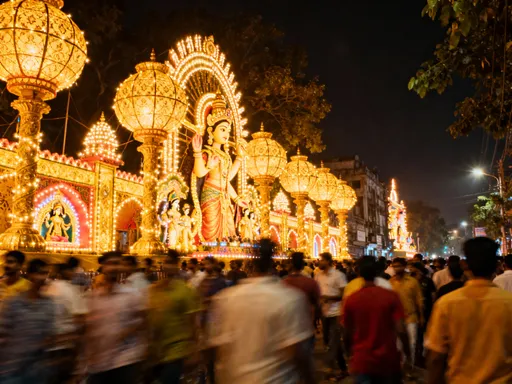
Durga Puja is not just a religious festival; it is Kolkata’s grandest public art exhibition. Each year, the city transforms into an open-air gallery where creativity knows no bounds. Over 3,000 pandals are erected across neighborhoods, each uniquely designed around a central theme. These themes range from mythological recreations—such as the heavens of Indra or the forests of the Ramayana—to contemporary social issues like climate change, gender equality, and urban migration. Some pandals resemble famous landmarks, while others use recycled materials to convey environmental messages, turning art into activism.
The idols themselves are masterpieces. Crafted by skilled artisans in the Kumartuli neighborhood, these clay sculptures take months to complete. The goddess Durga is depicted in mid-battle, her ten arms holding divine weapons, her expression serene yet powerful. She stands over Mahishasura, with her children—Lakshmi, Saraswati, Ganesha, and Kartikeya—beside her. The level of detail is astonishing: delicate jewelry, intricately painted eyes, and flowing garments made from real fabric. Each idol is a testament to centuries-old craftsmanship passed down through generations of sculptors.
Kumartuli, located along the Hooghly River, is where the magic begins. This historic colony of potters has been creating Durga idols for over 200 years. Visitors can walk through narrow lanes filled with half-finished sculptures, scaffolds, and artisans shaping clay by hand. It’s a rare opportunity to witness art in progress. While photography is allowed, it’s important to be respectful—many artisans are deeply focused, and their work is both spiritual and labor-intensive.
When the idols are ready, they are transported through the city in grand processions accompanied by drummers, dancers, and chanting crowds. The journey from Kumartuli to various neighborhoods is itself a spectacle. Once installed, the pandals open to the public. Some of the most renowned ones are found in South Kolkata areas like Bhawanipur, Ballygunge, and Jadavpur, where themes are often bold and innovative. For instance, a recent pandal recreated a traditional Bengali village, complete with a thatched hut, handloom weavers, and live folk music performances.
Evening visits are highly recommended, as the pandals are illuminated with thousands of lights, creating a dreamlike atmosphere. Laser shows, sound installations, and themed decorations enhance the experience. Families gather, friends reunite, and strangers exchange smiles. The air fills with the scent of incense, flowers, and street food. Durga Puja is not just seen—it is felt, heard, and lived. For travelers, it offers an unparalleled opportunity to witness how art and faith can merge into something truly transcendent.
Beyond Durga Puja: Other Cultural Celebrations Worth Experiencing
While Durga Puja is the crown jewel of Kolkata’s festival calendar, the city’s celebratory spirit extends throughout the year. Each festival adds a unique hue to the cultural mosaic, offering visitors diverse experiences of joy, reflection, and togetherness. Diwali, the Festival of Lights, transforms Kolkata into a glittering wonderland. Homes, shops, and streets are adorned with oil lamps, fairy lights, and colorful decorations. Families clean and decorate their homes, exchange sweets, and light fireworks. The night sky sparkles with bursts of color, and the sound of laughter echoes through neighborhoods.
Kali Puja, celebrated on the same night as Diwali in some parts of India, holds special significance in Kolkata. Dedicated to the goddess Kali, the fierce protector, this festival features powerful rituals and dramatic pandals. Temples like the Kalighat Kali Temple are especially vibrant, with long queues of devotees offering flowers, fruits, and prayers. The atmosphere is intense yet deeply spiritual. Drummers play the *dhaak*, and the scent of sandalwood and camphor fills the air. For visitors, Kali Puja offers a glimpse into the more intense, devotional side of Bengali Hinduism.
Saraswati Puja, held in late winter, honors the goddess of knowledge, music, and arts. Schools, colleges, and homes host small pandals where students offer prayers before exams. Young girls dress in white and yellow, symbolizing purity and wisdom. Music performances, poetry recitations, and art exhibitions are common. This festival reflects Kolkata’s deep respect for education and creativity, making it especially meaningful for families and students.
Eid is another important celebration, observed with great enthusiasm by Kolkata’s Muslim community. Mosques are beautifully decorated, and families gather for special prayers at dawn. Traditional dishes like biryani, kebabs, and sheer khurma are prepared and shared with neighbors, regardless of faith. Areas like Metiabruz and Park Circus come alive with festive energy. The spirit of Eid—generosity, gratitude, and unity—resonates throughout the city, reinforcing Kolkata’s long-standing tradition of religious harmony.
What makes Kolkata truly special is how these festivals coexist and intermingle. It’s common to see Hindu families visiting Muslim friends during Eid, or Muslims attending Durga Puja pandals out of cultural curiosity and respect. This inclusivity is not performative—it is deeply rooted in the city’s social fabric. For travelers, experiencing multiple festivals offers a richer, more nuanced understanding of Kolkata’s pluralistic culture. Each celebration, while distinct, shares a common thread: the joy of coming together.
How to Plan Your Visit: Timing, Transport, and Tickets
Timing is crucial when planning a visit to Kolkata during festival season. The peak period begins with Durga Puja, which typically falls in September or October, depending on the lunar calendar. The five main days of celebration—Saptami, Ashtami, Navami, and Vijaya Dashami—are the most vibrant. For a full experience, arriving a few days before Saptami allows visitors to witness the final preparations, pandal installations, and cultural rehearsals. The week after Durga Puja also offers quieter but still festive moments, especially during Kojagari Lakshmi Puja and Saraswati Puja.
Weather during this time is generally pleasant, with temperatures ranging from 24°C to 32°C (75°F to 90°F). The monsoon has usually receded, leaving the air fresh and the city clean. However, humidity can still be high, so lightweight, breathable clothing is recommended. It’s also wise to carry a light raincoat or umbrella, as occasional showers are possible.
Getting around Kolkata is relatively easy, thanks to its well-connected public transport system. The Kolkata Metro is efficient and air-conditioned, making it ideal for avoiding traffic. Key stations like Rabindra Sadan, Netaji Bhavan, and Esplanade provide access to major festival hubs. Local trains and buses are economical options, though they can get crowded during peak hours. Auto-rickshaws and app-based cabs like Ola and Uber are widely available and convenient for short trips. Many visitors enjoy walking through neighborhoods like South Kolkata and North Kolkata, where pandals are densely concentrated and the atmosphere is most immersive.
One of the most appealing aspects of Kolkata’s festivals is that they are almost entirely free and open to the public. There are no tickets for pandal visits, cultural programs, or street processions. This accessibility reflects the community-driven nature of the celebrations. However, it also means large crowds, especially on weekends and evenings. To avoid congestion, consider visiting popular pandals early in the morning or on weekdays. Carrying a small backpack with water, snacks, and hand sanitizer can enhance comfort during long walks.
For families traveling with children or elderly members, planning shorter itineraries with rest breaks is advisable. Many parks and cultural centers host child-friendly programs during Durga Puja, including puppet shows, storytelling, and craft workshops. Information boards and volunteers are usually available at major pandals to assist visitors. With a little preparation, navigating Kolkata’s festival season can be both enjoyable and stress-free.
Where to Stay: Neighborhoods That Put You in the Center of the Action
Choosing the right neighborhood can significantly enhance the festival experience. Park Street, one of Kolkata’s most iconic areas, offers a perfect blend of heritage charm and modern convenience. Known for its colonial-era buildings, tree-lined avenues, and vibrant nightlife, Park Street becomes a hub of activity during Durga Puja. Several high-profile pandals are located here, and the street is beautifully lit in the evenings. Staying in this area provides easy access to cultural events, fine dining, and entertainment.
Bowbazar, in Central Kolkata, is another excellent choice for travelers seeking authenticity. This historic neighborhood is home to some of the oldest Durga Puja committees, including the famous Bowbazar Sarbojanin Durga Puja, established in 1919. The pandals here often reflect traditional themes and craftsmanship, offering a more classic experience. The area is well-connected by metro and buses, and accommodation ranges from budget guesthouses to mid-range hotels.
For those who prefer a quieter yet culturally rich environment, Jadavpur in South Kolkata is ideal. This residential and academic neighborhood hosts several innovative and eco-friendly pandals. Jadavpur University students often lead creative initiatives, using art and technology to convey social messages. The area has a youthful, intellectual vibe and is home to many heritage bungalows converted into boutique stays. It’s also close to other festival hotspots like Gariahat and Lake Town.
North Kolkata neighborhoods like Shobhabazar and Kumartuli offer a deeply traditional experience. Staying here allows visitors to be close to the idol-making workshops and early morning rituals. While the accommodations may be more modest, the cultural immersion is unparalleled. Heritage homestays and guesthouses provide warm hospitality and opportunities to interact with local families.
Regardless of where you stay, booking accommodations at least two to three months in advance is recommended, especially during Durga Puja week. Hotels and guesthouses fill up quickly, and prices may rise during peak season. Many establishments offer festival-themed packages, including guided tours, cultural performances, and special meals. For a more personal experience, consider booking a homestay through trusted platforms—this allows deeper engagement with local life and traditions.
What to Eat: Festival Street Food You Can’t Miss
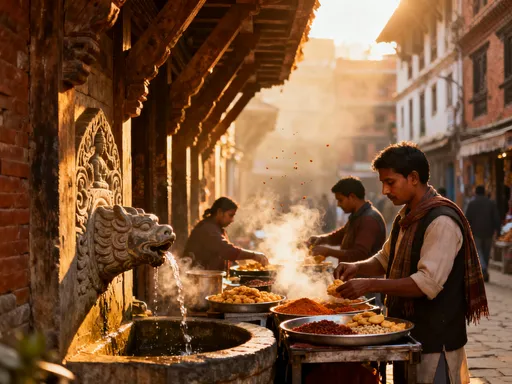
No festival experience in Kolkata is complete without indulging in its legendary street food. The city’s culinary scene comes alive during celebrations, offering a feast for the senses. One of the most iconic snacks is *phuchka*, the Bengali version of pani puri. Crisp hollow puris are filled with spiced potato, chickpeas, and a tangy tamarind water that delivers a burst of flavor with every bite. Best enjoyed at roadside stalls in areas like Gariahat, College Street, or Park Street, phuchka is a must-try for adventurous eaters.
Sweet lovers will find heaven in Kolkata’s confections. The *rosogolla*, a soft, spongy cheese ball soaked in sugar syrup, is a cultural icon. First created in the 19th century by confectioner Nobin Chandra Das, it has become synonymous with Bengali identity. During festivals, fresh rosogollas are served at pandals, homes, and sweet shops. Other delights include *mishti doi* (sweetened yogurt in earthen pots), *sandesh* (made from chhena cheese), and *pantua* (deep-fried, syrup-soaked dumplings).
For a more substantial meal, *luchi-alur dom* is a festive favorite. Luchi, a deep-fried flatbread, is paired with alur dom, a spicy potato curry cooked with ginger, cumin, and garam masala. This combination is often served during morning rituals and family gatherings. Many pandals also offer *bhog*, a sacred vegetarian meal prepared collectively and served on banana leaves. Made with rice, dal, vegetables, and sweets, bhog is a symbol of equality and community. Eating bhog is not just about nourishment—it’s a spiritual act of sharing.
Other festival specialties include *cholar dal* (sweet Bengal gram lentils), *payesh* (rice pudding with raisins and cardamom), and *kochuri-sabji* (a spicier alternative to luchi). During Diwali and Kali Puja, *anarsa* and *malpua*—deep-fried sweets made from rice flour and banana—become popular. Street food zones near major pandals, such as those in New Alipore, Behala, and Salt Lake, offer a wide variety of options.
While street food is safe and widely consumed, it’s wise to follow basic hygiene practices. Choose stalls with high turnover, as fresh preparation reduces risk. Bottled water is recommended, and hand sanitizer should be used before eating. Many vendors now use disposable plates and gloves, reflecting growing awareness. For families, some heritage restaurants like Balaram Mullick & Radharaman Mullick, Mocambo, and Oh! Calcutta offer festival menus with traditional dishes in a more formal setting.
Respecting Local Traditions: A Traveler’s Guide to Cultural Sensitivity
While Kolkata welcomes visitors with open arms, respecting local customs ensures a meaningful and harmonious experience. Festivals are deeply spiritual occasions, and while they are public, they are not performances. The best approach is to observe with humility and curiosity. Dressing modestly, especially when visiting pandals or temples, is appreciated. Women may choose to wear sarees, salwar kameez, or long skirts, while men can wear shirts and trousers or traditional kurta-pajamas. Avoid wearing revealing clothing, as it may be considered disrespectful in religious settings.
Photography is generally allowed, but with important considerations. Always ask for permission before photographing people, especially during prayers or rituals. Some pandals may have signs prohibiting flash photography, as bright lights can disturb the atmosphere. When taking pictures of idols, avoid standing directly in front of devotees who are praying. A respectful distance and quiet demeanor go a long way in showing appreciation for the moment.
Removing shoes before entering a pandal is a universal practice. Many pandals have designated areas for footwear, and volunteers often assist visitors. It’s also customary to wash hands before entering, especially if you plan to partake in bhog. Greeting locals with a simple “Nomoshkar” (the Bengali greeting) is a small gesture that fosters connection.
Engaging with locals should be done with warmth and respect. Many residents are proud of their culture and happy to share stories about their puja traditions. However, avoid intrusive questions about religion or personal beliefs. Instead, express genuine interest—ask about the meaning of a particular decoration, the story behind an idol, or the history of a neighborhood puja. Most people will respond with enthusiasm and kindness.
Finally, remember that festivals are community events, not tourist attractions. Avoid treating pandals like museums or photo backdrops. Participate when invited, observe quietly when not, and always express gratitude. A simple smile, a respectful nod, or a thank-you in broken Bengali can create lasting connections. By honoring the spirit of the celebrations, visitors not only enrich their own experience but also contribute to the warmth that makes Kolkata’s festivals so unforgettable.
Conclusion: Why Kolkata’s Festival Culture Stays With You Forever
Experiencing Kolkata’s festival season is more than a trip—it is a transformation. The city does not merely celebrate; it breathes celebration. From the first drumbeat of the dhaak to the final immersion of the idols in the Hooghly River, every moment pulses with meaning, creativity, and human connection. Visitors leave not just with photographs, but with memories etched in emotion: the glow of a child’s face lit by fairy lights, the harmony of strangers sharing a meal, the awe of standing before an idol that took months to create.
Kolkata’s festivals remind us of what it means to belong. In a world often defined by speed and separation, this city offers a rare pause—a space where art, faith, and community intertwine. It invites travelers not just to watch, but to feel, to participate, to become part of something greater. The joy here is not fleeting; it lingers, like the scent of incense after a prayer, like the echo of a song sung in unison.
If you seek more than sightseeing—if you long to witness a culture alive in its most vibrant form—then come to Kolkata during festival season. Walk its streets, taste its food, listen to its stories. Let the city’s heartbeat become your own. For in Kolkata, festivals are not just events on a calendar. They are the soul of a people, expressed in color, sound, and spirit. And once you’ve felt it, you’ll carry it with you, always.