This Brazilian City’s Hidden Gems Are Pure Instagram Gold
You know that feeling when you stumble upon a place so vibrant, so full of soul, it instantly becomes your feed’s hero shot? That’s Porto Alegre for you—unexpected, colorful, and packed with specialty products that scream authenticity. Far from the usual tourist trails, this southern Brazilian gem blends culture, craft, and flavor in ways you never expected. From handcrafted leather to artisanal chimarrão blends, every detail tells a story worth capturing—and sharing. While Rio dazzles with beaches and São Paulo pulses with urban energy, Porto Alegre offers something quieter but equally compelling: a deeply rooted regional identity expressed through daily rituals, family traditions, and handmade goods. It's a city where the ordinary becomes extraordinary when viewed through the lens of mindful travel and visual storytelling.
Discovering Porto Alegre: More Than Just a Pit Stop
Often dismissed as merely a transit point for travelers heading to the vineyards of Serra Gaúcha or the natural wonders of southern Brazil, Porto Alegre quietly thrives as a cultural anchor in the state of Rio Grande do Sul. With a population of over 1.4 million, it is the largest city in southern Brazil and serves as a bridge between European influences and indigenous and Gaúcho traditions. Unlike flashier destinations, Porto Alegre doesn’t rely on postcard-perfect landmarks to draw attention. Instead, its charm unfolds gradually—in the rhythm of afternoon chimarrão circles in Parque Farroupilha, in the weathered leather goods displayed at family-run shops, and in the warm hospitality of market vendors who greet regulars by name.
What makes Porto Alegre particularly appealing to today’s thoughtful traveler is its authenticity. There’s no over-polished tourism infrastructure here, which means experiences feel unscripted and genuine. The city’s architectural landscape reflects this blend of old and new, with colonial-style buildings standing alongside modernist structures along the Guaíba River waterfront. Neighborhoods like Cidade Baixa and Moinhos de Vento pulse with creative energy, housing independent boutiques, art galleries, and cafés that celebrate local craftsmanship. For those seeking content that stands out on social media, Porto Alegre offers a refreshing alternative to crowded tourist hotspots—places where culture isn’t performed but lived.
Its location also makes it an ideal base for deeper exploration. Positioned near the border with Argentina and Uruguay, Porto Alegre has absorbed cultural elements from across the Southern Cone, evident in everything from cuisine to music. This cross-cultural richness translates into visually dynamic scenes—whether it’s a traditional barbecue at a churrascaria, a folk dance performance during a community festival, or the intricate embroidery on a Gaúcho’s traditional vest. These moments, often unfolding in everyday settings, are precisely what make Porto Alegre a goldmine for travelers who value storytelling through imagery.
The Art of Chimarrão: A Sip-Worthy Cultural Icon
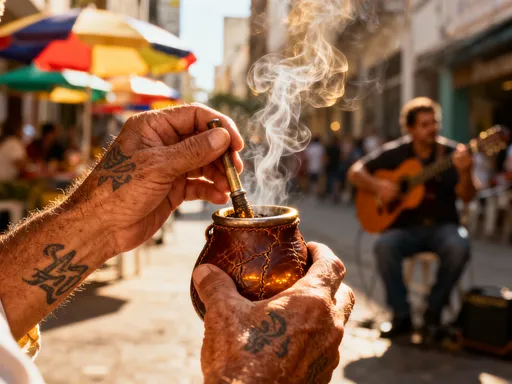
No symbol captures the spirit of Rio Grande do Sul quite like chimarrão, the strong, earthy infusion of yerba mate that flows through daily life in Porto Alegre. More than just a drink, chimarrão is a ritual—an act of connection, reflection, and hospitality. Passed clockwise among friends, family, or even strangers in a park, the shared gourd and metal straw, known as a bombilla, create a moment of presence and warmth. For visitors, witnessing or participating in this tradition offers not only a taste of local flavor but a deeply photogenic scene rich with cultural meaning.
The visual appeal of chimarrão lies in its simplicity and symbolism. The gourd, often hand-carved from calabash or made from wood, bone, or leather, becomes a canvas for artistry. Many are adorned with silver detailing, engraved patterns, or colorful inlays that reflect regional motifs. The bombilla, typically crafted from stainless steel or silver, is both functional and elegant. Together, they form a composition that photographers love—textured, organic, and full of narrative potential. Whether resting on a rustic table beside a thermos of hot water or held gently in weathered hands during a countryside gathering, the chimarrão set invites still-life shots that convey tradition and intimacy.
For travelers eager to experience this tradition firsthand, opportunities abound. In Parque Farroupilha, locals gather under shaded trees, passing the gourd in quiet camaraderie. At cultural centers like the Instituto Gaúcho de Tradições, guided demonstrations explain the etiquette and history behind the ritual. Some boutique hotels and eco-lodges near Porto Alegre even offer immersive workshops where guests learn to prepare and share chimarrão the traditional way. These experiences provide not only memorable photos but also a deeper understanding of Gaúcho values—community, resilience, and respect for nature.
Equally compelling are the artisanal versions of chimarrão products available throughout the city. Local craftspeople create sustainable, hand-decorated gourds using natural materials and traditional techniques. Some vendors specialize in personalized designs, incorporating names, dates, or regional symbols. These make for meaningful souvenirs—objects that carry both aesthetic beauty and emotional weight. When shared online, they tell a story far richer than any generic trinket ever could, resonating with followers who appreciate authenticity and craftsmanship.
Crafted with Pride: Porto Alegre’s Leather Legacy
Leather is more than a material in Porto Alegre—it’s a legacy. Rooted in the Gaúcho tradition of cattle herding and horsemanship, leatherworking has been passed down through generations, evolving into a refined craft that balances utility and artistry. From sturdy boots built for the pampas to sleek handbags adorned with tooled details, leather goods in this region are celebrated for their durability and design. For the discerning traveler, these pieces represent more than fashion statements; they are tangible connections to a way of life shaped by open plains, hard work, and pride.
Visitors will find some of the finest examples in small ateliers scattered across the city, particularly in historic districts like Centro and Bom Fim. These family-run workshops often operate quietly, tucked behind unassuming storefronts, where artisans cut, stitch, and polish each piece by hand. Unlike mass-produced leather items, these creations bear the marks of their making—the slight variation in grain, the hand-stitched seams, the patina that develops over time. Each bag, belt, or wallet tells a story of skill, patience, and dedication. Photographing these details—close-ups of tooling, macro shots of stitching, or portraits of artisans at work—adds depth and authenticity to any travel portfolio.
One of the most rewarding experiences is watching a craftsman transform a raw hide into a finished product. In workshops that welcome visitors, you might see a boot last being shaped, a strap being hand-punched, or a surface being burnished to a soft sheen. These behind-the-scenes moments offer compelling visual narratives, especially when captured in natural light with minimal staging. The textures of leather—grainy, supple, richly colored—respond beautifully to photography, creating images that feel tactile even on a screen.
For those looking to bring a piece of Porto Alegre home, ethical shopping is key. Look for shops that clearly label handmade items, provide information about sourcing, and support local artisans directly. Avoid vendors selling suspiciously cheap leather goods, as these are often imported or made under exploitative conditions. Instead, seek out cooperatives or certified craft markets where transparency and fair labor practices are prioritized. A well-made leather product from Porto Alegre isn’t just stylish—it’s a sustainable choice that honors tradition and craftsmanship.
Markets That Pop: Where Color Meets Commerce
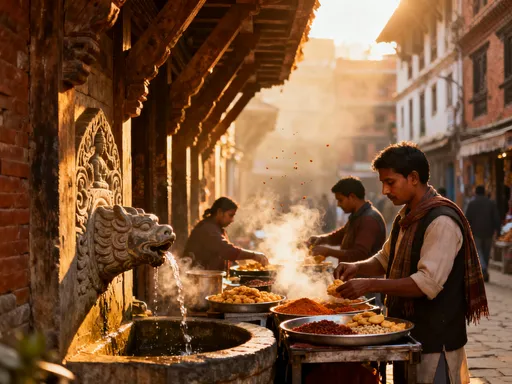
If Porto Alegre has a beating heart, it’s the Mercado Público Central—a bustling, multi-story marketplace that has served the city since 1869. More than just a place to buy food, it’s a sensory explosion of color, scent, and sound. Sunlight filters through its iron-and-glass roof, casting patterns over stalls piled high with regional specialties: wheels of aged cheese, strings of dried sausages, jars of golden honey, and baskets of freshly baked bread. Vendors call out greetings, knives tap against cutting boards, and the aroma of grilled meats drifts through the air. For photographers and content creators, the market is a paradise of natural compositions and candid moments.
What sets Mercado Público apart is its authenticity. Unlike tourist-oriented markets that stage scenes for cameras, this is a working marketplace where locals shop daily. Grandmothers inspect figs for ripeness, chefs haggle over prices, and office workers grab quick lunches at century-old sandwich counters. This everyday realism creates opportunities for storytelling photography—images that capture not just what people buy, but how they interact, laugh, and live. A vendor arranging smoked provolone by size, a child reaching for a sample of colonial jam, or a couple sharing a mate tea at a corner table—all are moments worth framing.
The market’s layout also enhances its visual appeal. Stalls are densely packed but thoughtfully organized, creating rhythmic patterns of color and texture. Red peppers hang in bundles, green herbs spill from wooden crates, and hand-painted signs advertise homemade pasta or family recipes. The interplay of light and shadow, especially in the late morning, adds dimension to photos, highlighting surfaces and contours. For flat lay enthusiasts, the variety of products—cheese wheels, spice jars, woven baskets—offers endless possibilities for styled shots that feel both artistic and grounded in place.
To make the most of a visit, timing is essential. Early mornings, between 8 and 10 a.m., offer the best light and fewer crowds, allowing for unobstructed shots and relaxed interactions. Weekdays are generally quieter than weekends, when locals flock here for weekend meals and fresh ingredients. Some vendors open pop-up stands only on certain days, so checking ahead can help plan for specific finds. Whether you’re documenting a cheese tasting, capturing the artistry of a charcuterie display, or filming a time-lapse of the market coming to life, Mercado Público delivers content that feels vibrant, real, and deeply connected to Porto Alegre’s soul.
Artisanal Food Finds: Taste and Texture for Your Feed
In Porto Alegre, food is not just sustenance—it’s heritage. The region’s German, Italian, and Portuguese roots have given rise to a culinary tradition that values quality, seasonality, and craftsmanship. From small-batch preserves to hand-smoked sausages, the city’s edible specialties are as visually striking as they are delicious. These artisanal products, often packaged with care and attention to detail, are perfect for travelers who want to bring home flavors—and photos—that tell a story.
One standout is the colonial jam, made from fruits like guava, peach, and jabuticaba using recipes passed down through generations. Cooked slowly in copper pots, these thick, jewel-toned preserves are often sold in glass jars with hand-labeled stickers and twine closures—ideal for flat lays and gift photography. Nearby apiaries supply raw, unfiltered honey with floral notes that vary by season, each jar reflecting the biodiversity of the surrounding countryside. Smoked sausages, cured with natural spices and aged in wooden cellars, come in rustic paper wrappings that highlight their artisanal nature. These foods don’t just taste good—they look good, too, with textures and colors that pop on camera.
Boutique food shops and gourmet delis across the city curate these products with an eye for aesthetics. Stores in neighborhoods like Petrópolis and Menino Deus showcase items on reclaimed wood shelves, in vintage display cases, or arranged on linen cloths. Many collaborate with local designers to create packaging that merges tradition with modern minimalism—think earth-toned labels, embossed logos, and sustainable materials. These details elevate the shopping experience and provide rich visual content for social media, appealing to audiences who value both taste and design.
For travelers, these food finds are more than souvenirs—they’re conversation starters. A jar of handmade quince paste shared at a dinner party, a bundle of dried chorizo used in a home-cooked meal, or a honey jar gifted to a friend becomes a tangible memory of Porto Alegre. When photographed thoughtfully—backlit preserves, steam rising from a freshly sliced sausage, hands unwrapping a paper bundle—they become part of a larger narrative about culture, connection, and the beauty of slow living.
Design & Detail: Finding Beauty in the Unexpected
Beyond the well-known crafts lie quieter treasures—objects born from necessity, shaped by tradition, and elevated by artistry. In Porto Alegre, these include handwoven guampa cups, embroidered textiles, and repurposed wood carvings, each reflecting a deeper story of sustainability and identity. These lesser-known crafts may not dominate travel guides, but they offer some of the most rewarding discoveries for travelers who look beyond the obvious.
Guampa cups, traditionally made from horn or wood and used for drinking chimarrão, are often intricately woven with leather strips in geometric patterns. Each weave tells a story—some symbolizing protection, others representing family lineage. Textiles, particularly those embroidered by women’s cooperatives in rural communities, feature floral and pastoral motifs that echo the landscapes of the pampas. Repurposed wood art, crafted from old barn beams or fallen trees, transforms reclaimed material into sculptures, bowls, and decorative panels. These items, rooted in resourcefulness and respect for nature, resonate with modern values of sustainability and mindful consumption.
Visiting studios or cooperatives where these crafts are made offers a rare opportunity to connect with makers and document their process. In quiet workshops on the city’s outskirts, artisans work with focused calm, their hands moving with practiced precision. Capturing these moments—close-ups of fingers weaving leather, wide shots of a woodshop filled with sawdust and sunlight, portraits of artisans in their element—adds emotional depth to travel photography. These images don’t just showcase products; they honor the people behind them.
For content creators, these details provide a way to stand out. While beaches and monuments are widely photographed, a hand-stitched textile or a hand-turned wooden bowl offers something fresh and intimate. These images invite viewers to slow down, to appreciate the quiet beauty of craftsmanship, and to consider the stories embedded in everyday objects. They are the antithesis of fast content—meant to be seen, felt, and remembered.
How to Capture It All: A Visual Traveler’s Guide
Photographing Porto Alegre’s specialty products isn’t just about taking pictures—it’s about telling stories. The best images emerge not from posed setups but from genuine interactions, natural light, and thoughtful composition. Start by embracing golden hour, when the sun casts a warm glow over the city’s streets and markets. Early morning light, especially between 7 and 9 a.m., illuminates textures beautifully and reduces harsh shadows, making it ideal for capturing leather, food, and crafts.
When photographing people, always ask permission with a smile and a simple gesture. Most locals are happy to be included, especially if you show interest in their work. Candid shots—of a vendor arranging cheeses, a craftsman polishing a gourd, or a family sharing chimarrão—often feel more authentic than staged portraits. Use a prime lens for sharper details and better background blur, or rely on smartphone portrait mode for accessible quality. Don’t overlook details: the grain of leather, the steam from a thermos, the reflection in a silver bombilla—these micro-moments can become powerful focal points.
Composition matters. Use the rule of thirds to balance elements, or experiment with symmetry in market stalls and architectural details. Flat lays work exceptionally well for food and craft products—arrange items on neutral backgrounds like wood, stone, or fabric, and use natural light from a nearby window. Include contextual elements: a hand holding a gourd, a market sign in the background, or a slice of bread next to a jar of jam. These touches ground the image in place and purpose.
Neighborhoods like Cidade Baixa, Moinhos de Vento, and Bom Fim offer diverse backdrops—from colorful street art to cobblestone alleys. Visit during weekdays to avoid crowds and capture quieter moments. Finally, remember that respectful documentation enhances both your experience and your content. Acknowledge the culture you’re portraying, credit artisans when sharing online, and let your photos reflect not just beauty, but meaning.
Porto Alegre doesn’t shout for attention—but once you see it, you can’t look away. Its specialty products aren’t just souvenirs; they’re windows into a rich, living culture. By seeking out these authentic experiences, travelers don’t just fill their feeds—they deepen their journey. In a world where travel content often feels repetitive, Porto Alegre reminds us that the most compelling stories are found not in grand gestures, but in the quiet details: a shared gourd, a hand-stitched bag, a jar of honey made from wildflowers. These are the moments worth capturing—not for likes, but for legacy.