You Won’t Believe These Hidden Cityscape Spots in Gothenburg
Gothenburg’s cityscape is a quiet masterpiece most travelers miss. I stumbled upon it by accident—gray-blue mornings, golden rooftops, reflections dancing on canals. What started as a simple photo walk turned into a love letter to urban beauty. This isn’t just about skyline views; it’s about finding poetry in bridges, trams, and quiet alleys. If you’ve ever chased light, angles, or that perfect urban frame, Gothenburg deserves your lens. The city doesn’t dazzle with grand monuments, but whispers through subtle contrasts: water meeting stone, old factories softened by ivy, sunlight filtering through misty air. For the mindful observer, especially those who appreciate rhythm in architecture and serenity in motion, Gothenburg offers a deeply personal visual journey.
Why Gothenburg’s Cityscape Stands Out
Gothenburg occupies a unique space among European cities—neither flamboyant nor minimalist to the point of sterility, but balanced in a way that feels both intentional and effortless. Its cityscape blends Nordic clarity with a working-city grit, shaped by its history as a port and industrial hub. Unlike Stockholm’s island elegance or Copenhagen’s curated charm, Gothenburg retains a grounded authenticity. Buildings wear their years with grace, and the urban fabric includes converted warehouses, functionalist housing blocks, and preserved 19th-century facades, all coexisting without conflict. This layered aesthetic gives photographers a rich tapestry of textures: peeling paint beside polished steel, cobblestones under modern bike lanes, and ivy creeping up brickwork.
The city’s geography further enhances its visual appeal. Built along the River Göta älv and dotted with canals, Gothenburg naturally divides into districts that offer distinct photographic personalities. Elevations vary subtly—small hills like those in the Vasastaden area provide gentle vantage points without requiring strenuous climbs. Green spaces such as Slottsskogen Park and Botaniska Trädgården frame the city, softening hard lines and offering breathing room between urban scenes. These natural interruptions prevent visual overload and allow for thoughtful composition, where sky, foliage, and architecture interact harmoniously.
What truly sets Gothenburg apart is its rhythm. The city moves at a pace that allows observation. Trams glide rather than rush, pedestrians walk with purpose but not panic, and even the busiest squares like Gustaf Adolfs Torg maintain a sense of order. This calm energy translates into photographs that feel alive yet composed. For the traveler seeking authenticity over spectacle, Gothenburg’s cityscape rewards patience. It’s a place where the mundane becomes meaningful—a fire escape against a sunset, a bicycle leaning on a wet wall, or steam rising from a manhole cover on a cold morning. These moments aren’t staged; they unfold naturally, making the city a living canvas for urban storytelling.
The Magic of Light: Best Times to Shoot
In photography, light is not just a tool—it’s the soul of the image. Gothenburg, with its maritime climate and northern latitude, offers a distinctive quality of light that changes dramatically with the seasons. The city rarely experiences harsh midday sun, which often flattens textures and creates unflattering contrasts. Instead, it favors soft, diffused illumination, especially during overcast days, which many professional photographers actually prefer for urban scenes. The gray skies act as a giant softbox, wrapping buildings in even light and enhancing subtle tonal variations in brick, metal, and glass.
The golden hour—the period shortly after sunrise and before sunset—takes on special significance in Gothenburg, particularly in late spring and early autumn. During these months, the sun hangs low on the horizon for extended periods, casting long shadows and bathing the city in warm amber tones. In late May, for example, the sun rises around 4:30 a.m. and sets after 9:30 p.m., offering multiple opportunities for golden light throughout the day. Early risers are rewarded with near-silent streets, dew-covered surfaces, and the gentle glow of streetlights fading into dawn. This is an ideal time to capture reflections in puddles or on wet cobblestones, where the city seems to double itself in shimmering symmetry.
Winter brings a different kind of magic. Though daylight is short—sometimes only six hours in December—the low angle of the sun creates prolonged periods of soft, directional light. Mid-afternoon, between 2:00 and 3:30 p.m., often delivers the most photographically rich conditions. The weak sunlight skims across building facades, emphasizing texture and depth. Combined with snow or frost, this light can transform ordinary streets into ethereal scenes. Even on fully overcast days, the absence of strong shadows allows for clean exposures and balanced compositions, especially when shooting in black and white. Photographers who embrace the Nordic concept of lagom—just the right amount—will find that Gothenburg’s light, though subtle, is never dull.
Must-Capture Central Spots
No visit to Gothenburg would be complete without spending time in and around the City Hall Square, known locally as Stadshuset. This grand civic building, with its copper-green dome and symmetrical wings, stands proudly on the riverbank and offers multiple vantage points for compelling compositions. The square itself, paved in dark stone, becomes a natural mirror after rain, reflecting the building’s elegant proportions and clock tower. Early morning visits ensure minimal foot traffic, allowing for clean, uncluttered shots. The contrast between the formal architecture and the flowing water of the adjacent canal creates a dynamic interplay of stability and movement, ideal for both wide-angle and detail shots.
Nearby, the Liseberg Tower—part of the famous amusement park—offers another iconic subject, though the most dramatic images are often taken from the ground rather than from above. Shooting the tower at dusk, when its lights begin to glow against a deepening blue sky, emphasizes its verticality and presence in the cityscape. Using a wide-angle lens from a low angle can exaggerate its height, while including elements like passing trams or silhouetted trees adds context and scale. The surrounding parkland provides framing opportunities, with branches or archways naturally directing the viewer’s eye toward the structure.
One of the most vibrant urban scenes unfolds along Avenyn, Gothenburg’s main boulevard. Officially named Kungsportsavenyn, this broad avenue stretches from Kungsportsplatsen to Götaplatsen and serves as the city’s social spine. At dusk, the street comes alive with neon signs, illuminated shop windows, and a steady flow of pedestrians and cyclists. The mix of architectural styles—Art Nouveau, functionalist, and contemporary—adds visual interest, while the tram lines running down the center provide strong leading lines. Capturing Avenyn from a slightly elevated position, such as the steps near the Gothenburg Opera House, allows for layered compositions that include movement, light trails, and human elements. It’s a place where urban energy is palpable, yet never overwhelming, making it a favorite among street photographers.
Hidden Angles Beyond the Center
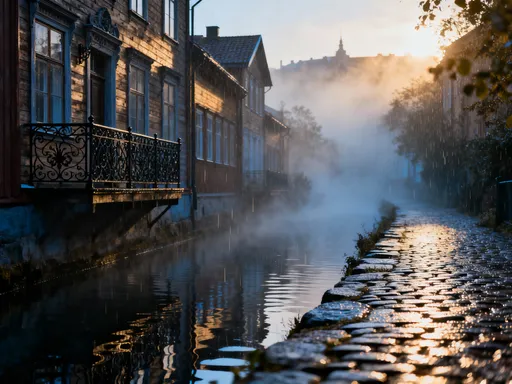
While the city center offers classic views, some of Gothenburg’s most evocative cityscapes lie just beyond the main tourist paths. The Haga district, one of the oldest in the city, is a treasure trove of photographic opportunities. Its narrow, cobblestone streets are lined with well-preserved wooden houses painted in traditional Falun red, their facades adorned with iron railings, flower boxes, and vintage signage. Early morning light filtering between the buildings creates dramatic contrasts of light and shadow, while the occasional steam from café vents adds a touch of atmosphere. Haga Nygata, in particular, with its sloping path and historic charm, invites slow exploration and intimate framing.
Another overlooked gem is the network of bridges spanning the River Göta älv. Each bridge has its own character—some are sleek and modern, others are heavy with industrial history. The älvsborgsbron, for instance, features strong steel arches that reflect beautifully in the water, especially during calm mornings. Shooting from the riverbanks or nearby walkways allows for dynamic compositions that emphasize structure, symmetry, and reflection. Including a passing ship or ferry in the frame adds scale and narrative, turning a static structure into a living part of the city’s rhythm.
For those seeking elevated city views without the crowds, certain rooftop cafes and public terraces offer unobstructed sightlines. While specific establishments may change over time, several buildings in the Lindholmen and Frihamnen areas feature public access points with panoramic views of the harbor and skyline. These locations are especially rewarding at twilight, when the city transitions from daylight to artificial illumination. The combination of water, architecture, and fading light creates a mood that is both contemplative and inspiring. These spots are not widely advertised, allowing for quiet, uninterrupted photography sessions away from the usual tourist circuits.
Elevated Perspectives That Deliver
One of the most accessible ways to gain a fresh perspective on Gothenburg is by using the city’s public transportation infrastructure. The escalators at Korsvägen, a major transit hub, rise gradually above street level, offering a slow, cinematic reveal of the surrounding urban landscape. As you ascend, the view unfolds—tram lines converging, buildings aligning in geometric harmony, and people moving in rhythmic patterns. This vantage point is particularly effective for wide-angle shots that capture the flow of city life. Similarly, the Nils Ericssons Terminal, the central bus station, features large glass walls and open concourses that frame the cityscape like a living diorama.
Trams themselves can serve as mobile photo platforms. Routes 1 and 11 are especially scenic, passing through diverse neighborhoods and offering ever-changing views. Route 1 travels from the western suburbs through Haga and into the city center, while Route 11 follows the riverfront, skirting the Lindholmen peninsula and offering glimpses of the harbor. Shooting from inside a moving tram requires a faster shutter speed or image stabilization, but the results—blurred motion in the foreground with sharp architectural details in the background—can be striking. Timing your ride during golden hour maximizes the interplay of light and shadow as the tram moves through sun-dappled streets.
Public buildings also offer unexpected opportunities for elevated photography. The Gothenburg City Library, located in the Gunnebo House and Gardens complex, features large reading rooms with floor-to-ceiling windows that overlook the surrounding park and skyline. While interior photography should be respectful of patrons, the exterior and adjacent terraces provide excellent framing options. Similarly, the modern architecture of the Sahlgrenska University Hospital and the Chalmers University of Technology campuses includes open plazas and glass-walled structures that reflect the sky and surrounding city, creating abstract compositions rich in color and form.
Weather & Urban Texture: Turning Gray into Gold
In many cities, rain is seen as a setback for photography. In Gothenburg, it’s an invitation. The frequent drizzle and damp conditions transform the urban environment into a stage for reflective beauty. Paved surfaces, especially dark stone or asphalt, become natural mirrors, doubling the visual impact of buildings, streetlights, and signage. A single rain shower can turn an ordinary alley into a symmetrical dreamscape, where every puddle holds a fragment of the sky or a glowing window. This effect is particularly strong in the older districts, where narrow streets and overhanging eaves create intimate, sheltered compositions.
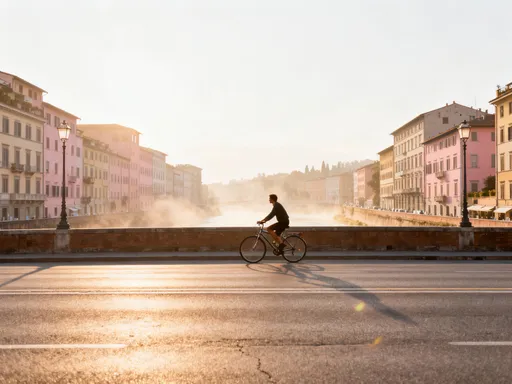
Fog and mist, common during spring and autumn mornings, add another layer of atmosphere. When the Göta älv is shrouded in low-lying fog, the city takes on a dreamlike quality. Bridges emerge from the haze like ghostly silhouettes, and distant buildings dissolve into soft gradients of gray and blue. These conditions are ideal for minimalist compositions, where less is more. A single lamppost, a lone cyclist, or a drifting ferry can become powerful focal points against a muted backdrop. Using a polarizing filter can help manage glare and enhance contrast, while shooting in black and white can emphasize tonal range and mood.
For photographers, dressing appropriately is part of the craft. Layered clothing, waterproof outerwear, and non-slip footwear are essential for navigating wet streets and uneven terrain. A compact, weather-resistant camera bag allows for quick access to gear while protecting equipment from moisture. Many mirrorless cameras now offer built-in weather sealing, making them ideal for Gothenburg’s climate. The key is to remain mobile and ready—some of the best moments happen unexpectedly, like a sudden break in the clouds or a burst of sunlight piercing through fog. By embracing the weather rather than resisting it, photographers can turn Gothenburg’s gray skies into their greatest asset.
Practical Tips for the Urban Photographer
Packing the right gear can make a significant difference in both comfort and image quality. For urban exploration in Gothenburg, a lightweight mirrorless camera system is ideal. These cameras offer professional-grade image quality in a compact form, making them easy to carry during long walks. A prime lens, such as a 35mm or 50mm, encourages deliberate composition and performs exceptionally well in low light. A compact tripod or monopod is useful for long exposures, especially when capturing light trails from trams or evening reflections. A small notebook or digital voice recorder can help log locations, lighting conditions, and personal impressions for later reference.
Navigating the city with photo equipment is straightforward and safe. Gothenburg’s public transit system is clean, reliable, and photographer-friendly. Buses, trams, and ferries accommodate backpacks and camera bags without issue. The Västtrafik app simplifies ticket purchases and route planning, ensuring you can move efficiently between districts. Most stations are well-lit and secure, even in the early morning or late evening. When visiting residential areas like Linné or Örgryte, it’s important to be mindful of privacy—avoid pointing lenses directly into homes and refrain from using flash in quiet neighborhoods.
Local norms emphasize respect and discretion. Drone usage is restricted in urban areas without special permission, so it’s best to rely on ground-level and elevated static shots. Public spaces are generally welcoming to photographers, but commercial shoots require permits. The most rewarding images often come from patient observation rather than intrusive capture. Engaging with the city’s rhythm—waiting for the right moment, noticing small details, respecting the environment—leads to more authentic and emotionally resonant photographs. Gothenburg rewards those who move with intention and see with care.
Gothenburg doesn’t shout—but it speaks volumes through its quiet streets, thoughtful design, and ever-changing light. The cityscape here isn’t staged; it’s lived in, layered, and deeply photogenic. Whether you're chasing symmetry, solitude, or the soul of a working Nordic city, Gothenburg rewards the mindful lens. Pack your camera, embrace the gray, and let the urban poetry unfold.