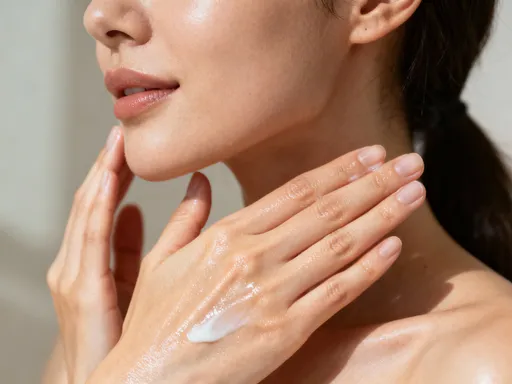
Glow Up Naturally: My Skincare Fix That Actually Works
You don’t need a 10-step routine or celebrity dermatologist to unlock healthier skin. I learned this the hard way—after years of breakouts, dryness, and product overload. What finally worked wasn’t a miracle cream, but a mindset shift: skincare starts inside. When I focused on balancing my body first—sleep, water, stress—the changes in my skin were undeniable. This isn’t about perfection. It’s about practical, science-backed tweaks that add up. Let’s talk real skin health, no hype.
The Skin Barrier Myth: Why Your Routine Might Be Sabotaging You
For years, the beauty industry has pushed the idea that more is better—more serums, more acids, more layers. But the truth is, many women over 30 are unknowingly damaging their skin by doing too much. The skin barrier, a delicate outer layer made of lipids and cells, acts like a shield. It locks in moisture and keeps irritants out. When compromised, it can’t perform these basic functions, leading to redness, sensitivity, flaking, and even breakouts. Harsh cleansers, over-exfoliation, and mixing too many active ingredients—like retinoids, vitamin C, and glycolic acid—can strip this protective layer, leaving skin vulnerable.
Signs of a damaged barrier aren’t always obvious at first. You might notice your skin feels tight after washing, looks dull, or reacts to products it once tolerated. Some women assume their skin is simply “aging,” when in fact, it’s reacting to overstimulation. The solution isn’t another product—it’s simplification. Dermatologists increasingly recommend scaling back to a minimal routine: a gentle cleanser, a moisturizer, and sunscreen. This gives the skin time to repair itself. Healing the barrier isn’t glamorous, but it’s foundational. Without it, no serum—no matter how expensive—will work effectively.
Think of your skin like a brick wall: the skin cells are the bricks, and the lipids (fats) between them are the mortar. When the mortar breaks down, moisture escapes and irritants get in. Rebuilding it requires patience and consistency. Avoid hot water, which can dissolve natural oils, and skip scrubbing with rough washcloths or brushes. Instead, use lukewarm water and press your face dry with a soft towel. Let your skin breathe. Over time, you’ll notice less reactivity, improved texture, and a natural resilience that no product can fake. The real skincare revolution isn’t in a bottle—it’s in doing less and allowing your body to do more.
Hydration from the Inside: Water Alone Isn’t Enough
Drinking eight glasses of water a day is sound advice, but it’s only part of the hydration puzzle. Topical moisturizers help, but true skin plumpness comes from within. Cellular hydration depends on a balance of water, electrolytes, and fats. Without the right internal environment, water passes through the body without being properly absorbed by skin cells. This is why some women drink plenty of water yet still have dry, flaky skin. The key lies in supporting your body’s ability to retain moisture at the cellular level.
Electrolytes—minerals like sodium, potassium, and magnesium—play a critical role in fluid balance. They help cells absorb and hold onto water. Eating potassium-rich foods such as bananas, spinach, and sweet potatoes supports this process. Omega-3 fatty acids, found in fatty fish, flaxseeds, and walnuts, strengthen cell membranes, making them better at retaining moisture. These healthy fats also reduce inflammation, which can contribute to redness and uneven tone. Additionally, foods with high water content—like cucumber, celery, watermelon, and oranges—not only hydrate but also deliver nutrients that support skin structure.
Glycerin, a natural humectant, is another unsung hero of skin hydration. While it’s common in moisturizers, your body can produce more glycerin when fed the right nutrients. Foods rich in B vitamins—such as whole grains, eggs, and legumes—support glycerin synthesis. Pairing hydration-focused foods with consistent water intake creates a synergy that shows on your face. You’ll notice improved elasticity, fewer fine lines, and a subtle glow that doesn’t rely on highlighter. Remember, skin reflects your internal state. When you nourish your body with the right balance of water, fats, and nutrients, your skin responds with resilience and radiance.
Sleep’s Secret Role in Skin Repair
If you’ve ever woken up with puffy eyes, a dull complexion, or a breakout after a poor night’s sleep, you’ve seen firsthand how deeply sleep affects your skin. During deep sleep, the body enters repair mode. Growth hormone levels rise, stimulating collagen production—the protein that keeps skin firm and smooth. Cell turnover accelerates, replacing old, damaged cells with fresh ones. This nightly renewal process is essential for maintaining a healthy glow. Without enough quality sleep, this cycle slows down, leading to visible signs of fatigue and aging.
Chronic sleep deprivation doesn’t just make you look tired—it actively damages skin. Studies have shown that poor sleepers have reduced skin barrier function, slower recovery from environmental stressors like UV exposure, and increased signs of intrinsic aging, including fine lines and uneven pigmentation. The connection is clear: sleep is not a luxury; it’s a biological necessity for skin health. For women juggling work, family, and personal responsibilities, carving out time for rest can feel impossible. But even small improvements can make a difference.
Start by setting a consistent bedtime and wake-up time, even on weekends. This helps regulate your circadian rhythm, which influences everything from hormone balance to skin repair. Limit screen time at least an hour before bed—blue light from phones and tablets suppresses melatonin, the hormone that signals sleep. Create a calming bedtime routine: dim the lights, sip herbal tea, read a book, or practice gentle stretching. Keep your bedroom cool, dark, and quiet. Within a week of better sleep habits, many women report smoother texture, reduced puffiness, and a more even tone. Your skin heals while you rest—make sure it gets the chance to do so.
Stress and Breakouts: The Cortisol Connection
Stress doesn’t just affect your mood—it shows up on your face. When you’re under pressure, your body releases cortisol, a hormone designed to help you respond to threats. In short bursts, cortisol is useful. But when stress becomes chronic—due to work demands, family responsibilities, or life transitions—cortisol levels stay elevated. This has a direct impact on your skin. High cortisol increases oil production in the sebaceous glands, clogs pores, and triggers inflammation, all of which contribute to breakouts, especially around the jawline and chin.
Many women mistake stress-related acne for hormonal imbalance or poor hygiene. But the root cause is often psychological. Emotional stress can disrupt the skin’s microbiome, weaken the barrier, and delay healing. You might notice that breakouts flare during busy seasons—back-to-school time, holidays, or major work deadlines. This isn’t coincidence. The mind-skin connection is well-documented in dermatology. Managing stress isn’t just about feeling calmer—it’s about protecting your skin.
Simple, daily habits can help regulate cortisol. Deep breathing exercises, even for just five minutes, activate the parasympathetic nervous system, which counteracts stress. Walking in nature, journaling, or practicing gratitude can also lower cortisol levels over time. Mindfulness and meditation apps offer guided sessions that fit into a busy schedule. The goal isn’t to eliminate stress entirely—that’s unrealistic—but to build resilience. When you manage stress effectively, your skin often clears up on its own. You’re not just caring for your mental health; you’re giving your skin the calm environment it needs to thrive.
Gentle Cleansing and Smart Moisturizing: A No-Blame Guide
Cleansing is the foundation of any skincare routine, but many women use products that do more harm than good. Harsh soaps and foaming cleansers can disrupt the skin’s natural pH, which sits around 5.5—slightly acidic. When this balance is thrown off, the skin becomes more vulnerable to bacteria and moisture loss. This often triggers a vicious cycle: the skin feels tight, so you apply more moisturizer, but the underlying issue is pH imbalance. Over time, this leads to irritation, breakouts, and accelerated aging.
A gentle, pH-balanced cleanser is essential. Look for formulas labeled “non-comedogenic,” meaning they won’t clog pores, and “fragrance-free,” since added scents can irritate sensitive skin. Cream, milk, or balm cleansers are often better choices than foaming ones, especially for dry or mature skin. Apply with your fingertips using circular motions, then rinse with lukewarm water. Avoid scrubbing or using rough washcloths, which can cause micro-tears in the skin. Pat dry—don’t rub—with a soft towel.
Much like cleansing, moisturizing is often misunderstood. Many women avoid moisturizer if they have oily skin, fearing it will make them greasier. But when skin is stripped of oil, it overcompensates by producing more sebum. A lightweight, non-comedogenic moisturizer actually helps regulate oil production. Apply it to damp skin to lock in hydration. In the morning, follow with sunscreen. At night, you can use a richer formula to support overnight repair. The goal isn’t perfection—it’s consistency. A simple, thoughtful routine that respects your skin’s natural balance will yield better results than a complicated regimen filled with harsh actives.
Sun Protection: The Daily Must, Rain or Shine
UV radiation is the leading preventable cause of premature skin aging. While genetics play a role in how your skin ages, up to 90% of visible skin changes—like wrinkles, dark spots, and loss of elasticity—are due to sun exposure. UVA rays penetrate deep into the skin, damaging collagen and elastin, while UVB rays cause surface-level burns. Both contribute to DNA damage that can lead to skin cancer. What many women don’t realize is that UV exposure happens every day, even when it’s cloudy or you’re indoors near windows.
Daily use of broad-spectrum sunscreen with SPF 30 or higher is one of the most effective anti-aging steps you can take. It’s not just for beach days or summer months. UV rays are present year-round, and cumulative exposure adds up over time. Applying sunscreen every morning, even if you’re mostly indoors, creates a protective barrier. Many moisturizers now include SPF, making it easier to incorporate into your routine. If you spend extended time outdoors, reapply every two hours.
Sunscreen doesn’t have to feel heavy or greasy. Modern formulas are lightweight, non-comedogenic, and suitable for all skin types. Some even contain antioxidants like vitamin E or niacinamide, which provide additional protection against environmental damage. Wearing a wide-brimmed hat and seeking shade during peak sun hours (10 a.m. to 4 p.m.) adds another layer of defense. The goal isn’t to fear the sun—it’s to respect it. By making sun protection a non-negotiable habit, you’re preserving your skin’s health and appearance for years to come.
Consistency Over Perfection: Building a Skin-Healthy Lifestyle
Glowing skin isn’t the result of a single product or a perfect day—it’s the outcome of consistent, mindful choices. The women who see lasting improvements aren’t those who overhaul their routines every month, but those who stick with simple, sustainable habits. Skincare isn’t just about what you put on your face; it’s about how you live your life. Sleep, hydration, stress management, gentle cleansing, and sun protection all work together to support skin health. When one area improves, others often follow.
Perfection isn’t the goal. Some days, you might skip sunscreen or stay up too late. That’s okay. What matters is the overall pattern. Track subtle changes: maybe your skin feels softer, your breakouts are less frequent, or your makeup applies more smoothly. These are signs of progress. Don’t wait for dramatic transformations—celebrate the small wins. Over time, they build into real, lasting results.
Think of skincare as an act of self-respect. Every time you choose water over soda, rest over scrolling, or sunscreen over skipping, you’re sending a message to yourself: I matter. Your skin reflects your inner well-being. When you care for your body with kindness and consistency, it shows—not just in how you look, but in how you feel. You don’t need a miracle. You just need to start, one step at a time. Your healthiest, most radiant skin isn’t in a jar. It’s already within you, waiting to glow.